摘要
燃料电池的液体冷却系统(LCS)面临着严重的时间延迟、模型不确定性、泵和风扇耦合以及频繁干扰等挑战, 从而导致超调和控制振荡, 降低温度调节性能. 为应对这些挑战, 本文提出了一种结合模糊逻辑和变增益广义超扭曲算法(VG-GSTA)的复合控制方案. 首先, 用于泵的一维(1D)模糊逻辑控制(FLC)可确保稳定的冷却剂流量, 而用于风扇的二维(2D)模糊逻辑控制(FLC)则可调节电堆温度, 使其接近参考值. 然后引入VG-GSTA来消除稳态误差, 提供抗干扰能力并最大限度地减少控制振荡. 平衡优化器用于优化VG-GSTA参数. 联合仿真验证了本文方法的有效性, 表明了其在抗干扰、超调抑制、跟踪精度和响应速度方面的优势.
Abstract
The liquid cooling system (LCS) of fuel cells is challenged by significant time delays, model uncertainties, pump and fan coupling, and frequent disturbances, leading to overshoot and control oscillations that degrade temperature regulation performance. To address these challenges, we propose a composite control scheme combining fuzzy logic and a variable-gain generalized supertwisting algorithm (VG-GSTA). Firstly, a one-dimensional (1D) fuzzy logic controler (FLC) for the pump ensures stable coolant flow, while a two-dimensional (2D) FLC for the fan regulates the stack temperature near the reference value. The VG-GSTA is then introduced to eliminate steady-state errors, offering resistance to disturbances and minimizing control oscillations. The equilibrium optimizer is used to fine-tune VG-GSTA parameters. Co-simulation verifies the effectiveness of our method, demonstrating its advantages in terms of disturbance immunity, overshoot suppression, tracking accuracy and response speed.
1 Introduction
As a promising clean energy technology, proton exchange membrane fuel cells have attracted much attention in recent years [1] . Owing to its notable advantages of high efficiency, superior power density, low operating temperature, and zero emissions [2-3], it has found wide-ranging applications. The proton exchange membrane (PEM) fuel cell possesses multiple subsystems:gas supply, hydrogen supply, and cooling, where the cooling subsystem is responsible for maintaining an appropriate temperature for the stack operation [4-5] .
Improper operating temperatures can significantly degrade fuel cell performance and cause irreversible damage to the stack. Low temperatures decrease ion conductivity, leading to reduced output power [6] . Additionally, they increase cathode liquid water and the risk of flooding due to lower saturation vapor pressure [7] . Conversely, excessive temperatures reduce water content in the proton exchange membrane, increasing internal resistance and degrading output performance [8] . It can also cause PEM dehydration, accelerating its degradation [9] . Furthermore, maintaining a uniform temperature distribution is crucial [10] . Temperature variations can lead to uneven reactant distribution, affect water management and performance [11], cause displacement and stress in the stack, decrease PEM reliability and durability, and contribute to degradation processes. Therefore, accurate temperature regulation is essential for fuel cell safety, efficiency, and lifetime [12-14] . For convenience, all variables and abbreviations involved are listed in Table1.
Table1Nomenclature

Currently, various cooling methods are available for fuel cells, with liquid cooling being the most common and effective due to its numerous advantages [1, 15] . However, LCSs are characterized by significant time delays, strong coupling, uncertainty, and multiple disturbances, which pose substantial challenges to temperature regulation.
Considerable efforts have been dedicated to the development of LCSs, which can be primarily categorized into model-free and model-based approaches. The proportional-integral-derivative (PID) controller is a widely utilized model-free control method in PEM fuel cell LCS applications. The traditional PID controller utilizes the tracking errors of Tst and Tdi as inputs to adjust and regulate the operation of fans and pumps [16-18] . Furthermore, fuzzy PID controllers employ fuzzy logic rules to dynamically tune the control gains in real time, thereby achieving enhanced performance outcomes [19-22] . While PID controllers are straightforward to implement, they exhibit limitations in their ability to withstand significant perturbations. Additionally, large time delays may lead to integral saturation that can result in overshoot and oscillatory behavior. Active disturbance rejection control (ADRC) , on the other hand, treats model uncertainties, external disturbances, and parameter variations as a unified total disturbance that is subsequently estimated and compensated for [23] . This approach significantly simplifies controller design while addressing practical requirements. Although ADRC demonstrates superior disturbance rejection capabilities compared to PID controllers, it still encounters challenges when managing substantial time delays.
Model-based approaches often yield superior performance, leading to increased attention on controloriented models. Liso et al. [24] introduced a controloriented dynamic model for liquid-cooled fuel cells to investigate temperature behavior during rapid load changes. Zhao et al. [25] developed a thermodynamically based model and validated it through experimental platforms. Saygili et al. [26] created semi-empirical models to assess three specific control strategies, highlighting that fans operate most effectively in an on/off mode. These models serve as guidance for the temperature regulation of liquid-cooled fuel cells. Several model-based control methods for LCSs have been established. Cheng et al. [27] designed a controller incorporating linear quadratic regulator (LQR) and nonlinear feedforward techniques to effectively mitigate temperature fluctuations in fuel cell buses; however, this method is associated with high-frequency switching of the fan state. Han et al. [28] proposed a feedback controller based on model reference adaptive control (MRAC) , which demonstrates commendable transient performance and enhanced robustness. Huang et al. [29] suggested an adaptive thermal control strategy and developed a set of adaptive laws aimed at estimating unknown parameters, achieving better control performance than traditional PID controllers. This adap-tive approach effectively addresses parameter uncertainty issues inherent in such systems. Additionally, sliding mode control (SMC) contributes significantly to suppressing temperature fluctuations [30], although its chattering phenomenon remains an issue that warrants attention. Moreover, model predictive control (MPC) performs online optimization while pre-selecting optimal solutions to prevent temperatures from entering unreasonable ranges [1, 31-32] . Despite its favorable performance characteristics, MPC relies heavily on high model accuracy and incurs substantial computational costs.
Fuzzy logic control (FLC) develops fuzzy rules based on expert experience and has the ability to regulate temperature without relying on model knowledge [33] . The main superiority of FLC is the suitability for systems where obtaining an accurate model is challenging. However, it often suffers from inadequate control accuracy and persistent steady-state errors.
Motivated by the lack of accuracy in pure FLC, a composite controller with another control method is considered to address this issue. The approach must focus on anti-disturbance and suppression of control oscillation. Mei et al. [34] recently proposed a generalized supertwisting algorithm (GSTA) , which effectively considers anti-disturbance and oscillation suppression. To further improve performance, the two control gains of GSTA are designed as maps based on the tracking error. Additionally, a novel optimization algorithm equilibrium optimizer (EO) [35] is introduced to obtain more favorable controller parameters. The main contributions are highlighted below: 1) The proposed scheme achieves temperature regulation successfully without the need for any modeling knowledge.2) A variable-gain GSTA (VG-GSTA) , which significantly enhances the ability to handle latency, is proposed.3) A feasible multi-parameter optimization scheme based on EO is presented for VG-GSTA.
The remainder of this article is organized as follows: Section 2 describes the system dynamics. Then, Section 3 develops the control scheme. Next, Section 4 presents the simulation results and Section 5 concludes the article.
2 Liquid cooling system
The cooling system is employed to regulate Tst, which mainly includes a pump, a radiator, and a cooling fan [17, 25-27], as illustrated in Fig.1.
The thermal power of the stack (Pth) , equals the voltage loss (Vlo) multiplied by the stack current (Ist) ,
(1)
Utilizing the specific heat equation Q = Cm∆T [25], one can derive
(2)
which leads to
(3)
The time delay tst is determined by W and mst,
(4)
Additionally, the measurable Tdi is represented by
(5)
instead of ∆T, where W is positively correlated with up, as depicted in Fig.2.

Fig.1Schematic presentation of LCS
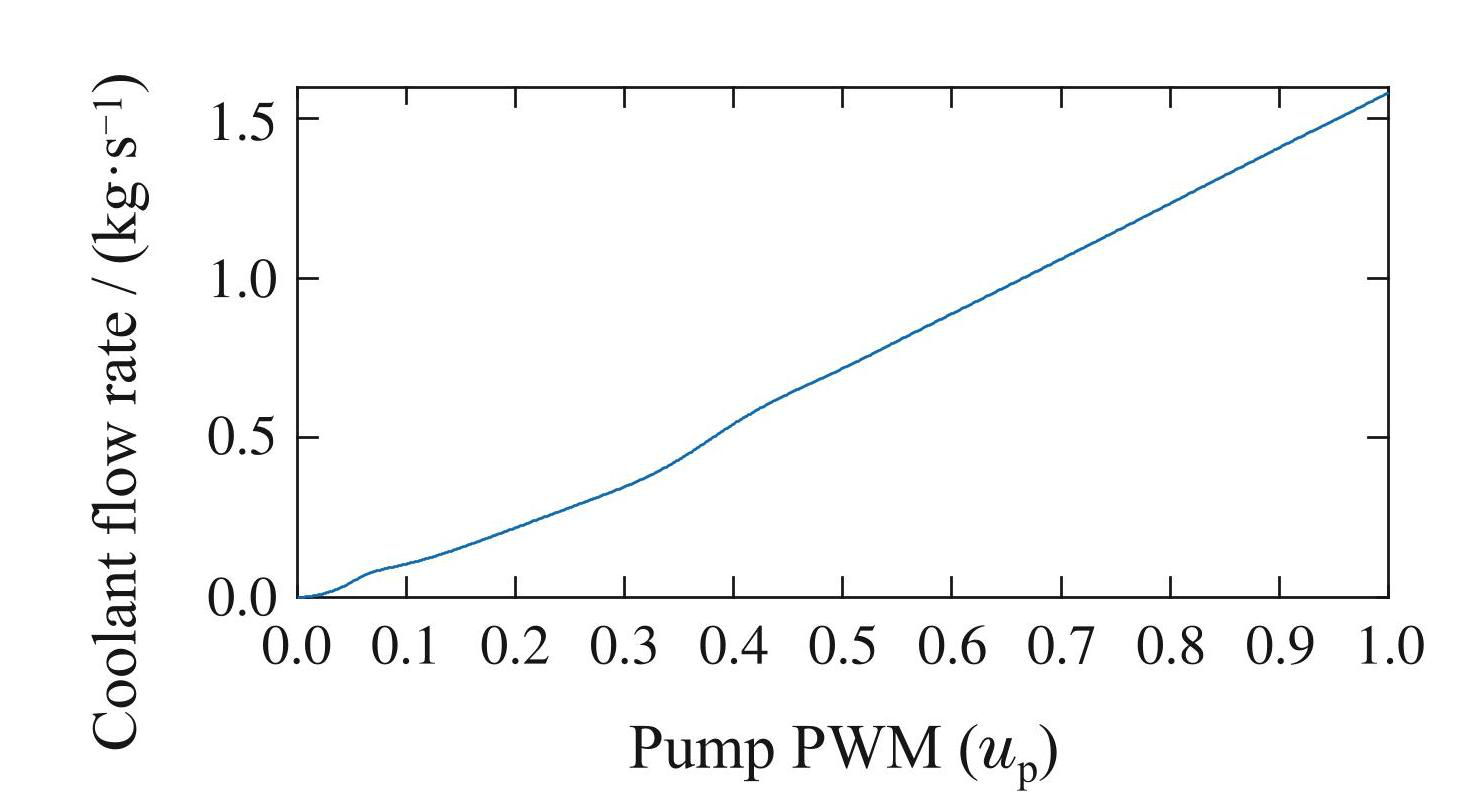
Fig.2Coolant flow rate versus pump pulse width modulation (PWM) signal in AMEsim
Note that Tst is considered equal to To, st because the internal temperature of the stack cannot be measured [36],
(6)
The coolant temperature decreases as it flows through the radiator [27], denoted as T0:
(7)
Neglecting the heat dissipation from the cooling pipe, one gets
(8)
where tpipe is the temperature time delay between the radiator and the stack inlet.
The main challenges of temperature regulation are highlighted below:
1) There are many uncertainties associated with LCSs, particularly regarding the heat dissipation rate. This rate is influenced by various factors, including ambient conditions, radiator size, coolant flow rate, and specific heat capacity [37-38] .
2) The pure hysteresis characteristic reduces system stability, deteriorates dynamic performance, and is easily accompanied by overshoots and oscillations [39-40] .
3) Several random disturbances can affect the cooling system [41], where load current and external air flow have significant impacts. Load current directly influences the thermal power, while external air flow affects the radiator’s heat dissipation capacity.
4) The strong coupling between pump and fan can significantly impair control performance.
3 Temperature regulation scheme
The goal of LCS can be roughly described as follows: regulating Tst to the desired value and maintaining Tdi within a specific range. Accordingly, we propose a control method based on fuzzy logic and GSTA (see Fig.3) .
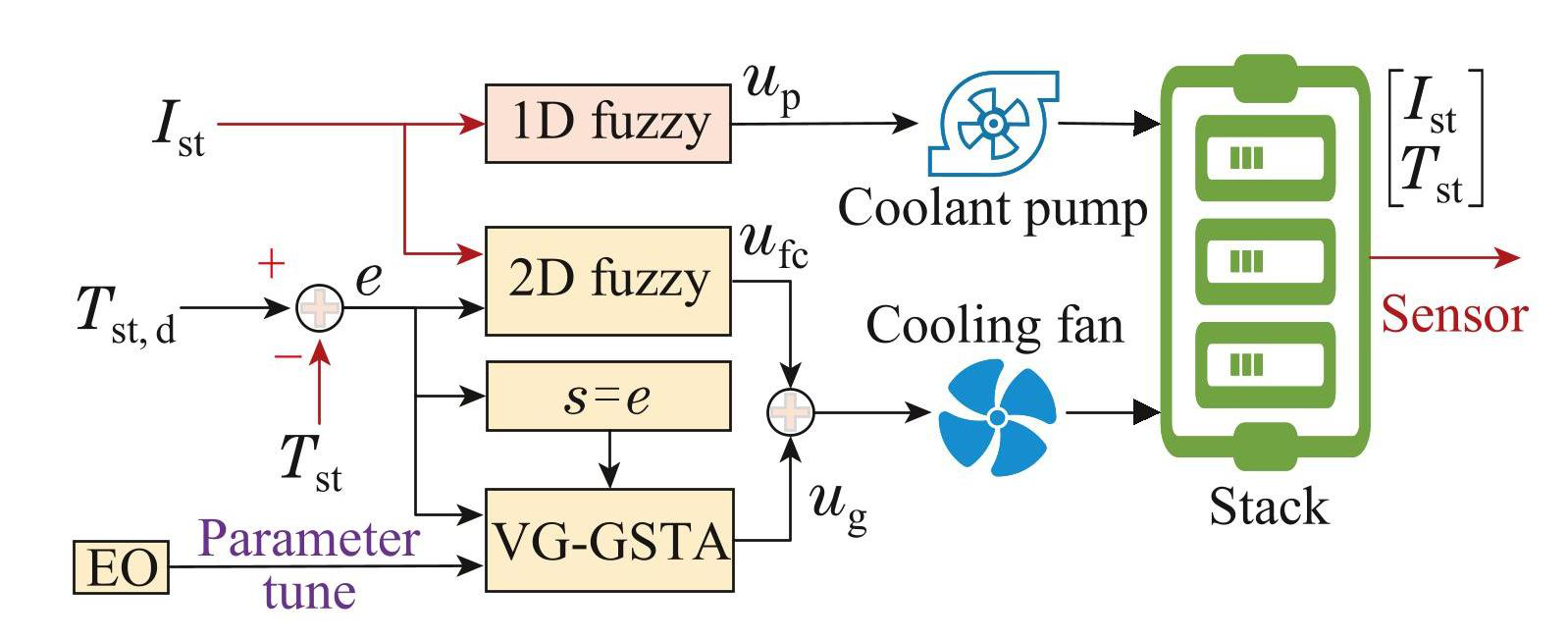
Fig.3Structure of the proposed control scheme
3.1 Coolant pump control
The coolant pump is mainly utilized to control the coolant flow rate to regulate the stack temperature difference. Generally, Tdi should be kept below 10◦ [31] .
From Eqs. (1) (3) (5) , one gets
(9)
According to Eq. (9) , one can derive
(10)
The terms Ti, st and Ti, st (t − tst) represent the interference of fan control on pump control, since Ti, st = To, ra (t − tp) . This is the main source of coupling: the radiator outlet temperature directly determines the inlet temperature of the stack, which in turn affects the stack temperature difference.
Also note that Vst is negatively correlated with Ist according to the polarization curve [42] . Consequently, in order for Tdi to be limited, up should be positively related to Ist. To address the coupling issue, it is recommended to use one-dimensional (1D) fuzzy logic for designing the pump controller, which directly determines up based on the stack current.
Remark 1 There are two reasons for utilizing only Ist as the input to the pump controller: 1) Tdi only needs to be regulated within 10◦C, not a set point, so tracking error is not a concern.2) The fan control loop is influenced by W, hence this design helps reduce the interference of pump PWM signal fluctuations on fan control.
The stack current range is selected as [50 A, 150 A] according to the fuel cell model, and the pump PWM signal range is chosen as [0.25, 1] after several trials. Ist and up are described by seven fuzzy subsets, A = {NB (Negative big) , NM (Negative medium) , NS (Negative small) , ZO (Zero) , PS (Positive small) , PM (Positive medium) , PB (Positive big) }. The fuzzy subsets all adopt the Gaussian membership function,
(11)
The membership degrees of Ist, up are depicted in Fig.4, with fuzzy rules detailed in Table2.

Fig.4The fuzzy membership definition for pump controller
Table2One-dimensional fuzzy inference rules

3.2 Cooling fan control
The cooling fan is used to control Tst. However, due to significant time delays, the system is prone to severe overshoot and oscillations. Additionally, the uncertainty of the radiator and the complex time delay characteristics complicate the development of an accuratemodel of the cooling system. Furthermore, various disturbances during fuel cell operation must be addressed. Given these challenges, a combination of fuzzy logic and GSTA is considered to effectively manage these issues. Consequently, the fan control signal is superposed by two parts,
(12)
where ufc and ug are the outputs of fuzzy logic and GSTA respectively.
3.2.1 2D fuzzy logic
For fan control, 2D fuzzy rules are utilized since stack temperature error and stack current need to be considered simultaneously. The stack temperature error is defined as
(13)
whose range is chosen as [−5 ◦C, 5◦C]. In addition, the current range is selected as [50 A, 150 A], and the fan PWM signal range is selected as [0, 1].
Both e and Ist are described by five fuzzy subsets, B = {NB, NS, ZO, PS, PB}. For higher accuracy, uf is described by 9 fuzzy subsets, C = {NVB (Negative very big) , NB, NM, NS, ZO, PS, PM, PB, PVB (Positive very big) }. Additionally, the Gaussian membership function (11) is also applied to all fuzzy subsets. The membership degrees of e, Ist, ufc are depicted in Fig.5, and its fuzzy rules are listed in Table 3 after several trials, resulting in the control surface shown in Fig.6.

Fig.5The fuzzy membership definition for fan controller
3.2.2 VG-GSTA
Only the FLC causes steady-state error, so GSTA is added to eliminate it. Combining Eqs. (5) – (8) , Tst isinversely related to the fan PWM signal, so the sliding variable is defined as
(14)
Table3Fuzzy inference rules for ufc
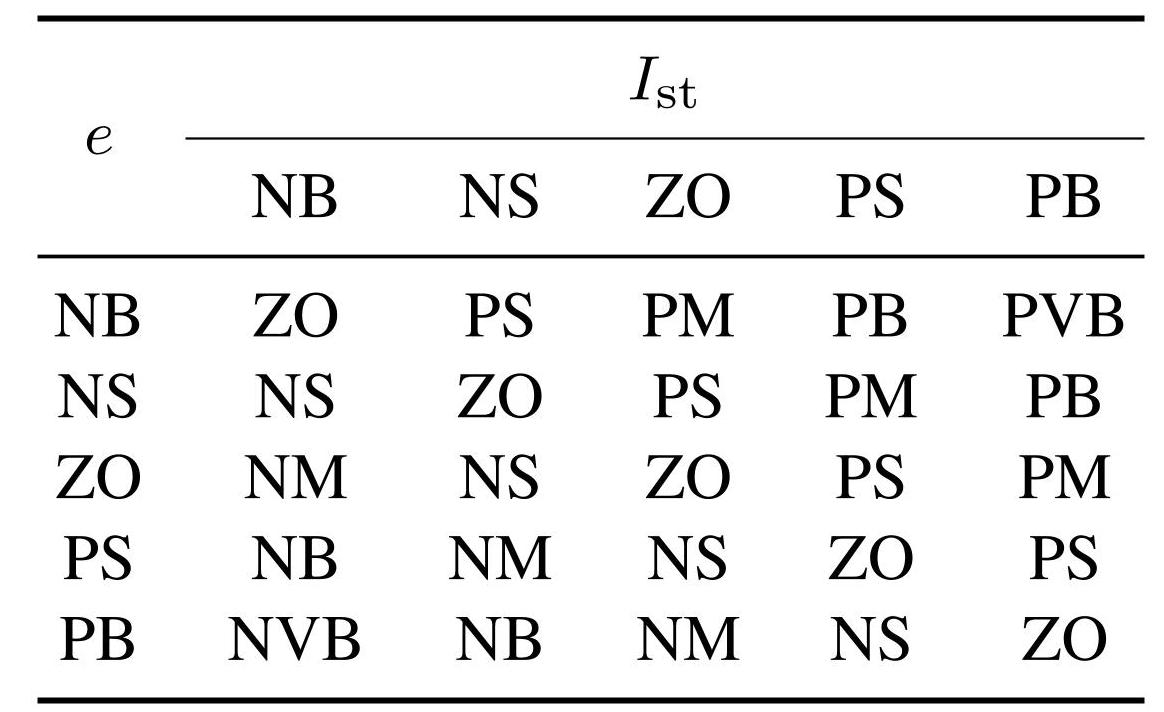

Fig.6The2D FLC surface
With the addition of feedforward, the system dynamics of the fan’s feedback control loop can be approximated as
(15)
where γ >0, d is the lumped disturbance.
Lemma 1 [34] For a system in the presence of a disturbance d (t) ,
(16)
the following GSTA ensures that the sliding variable (s1) converges in finite time,
(17)
where α ∈ (1/2, 1) , and λ1, λ2 are positive control gains.
The GSTA control law [34] is constructed as
(18)
where α ∈ (0.5, 1) , β = 2α − 1, and λ1, λ2 >0. According to Lemma 1, the fan control system is stable. The large time delay characteristic of the cooling system can easily lead to integral saturation and hence large overshoot. Consequently, an anti-saturation integrator, shown in Fig.7, is designed for GSTA.

Fig.7Anti-saturation integrator
In addition, for more favorable performance, the control gains (λ1, λ2) are designed to be mapped with respect to e to enhance GSTA’s sensitivity to the tracking error,
(19)
where k1, k2, k3, k4 >0, and
(20)
as depicted in Fig.8.
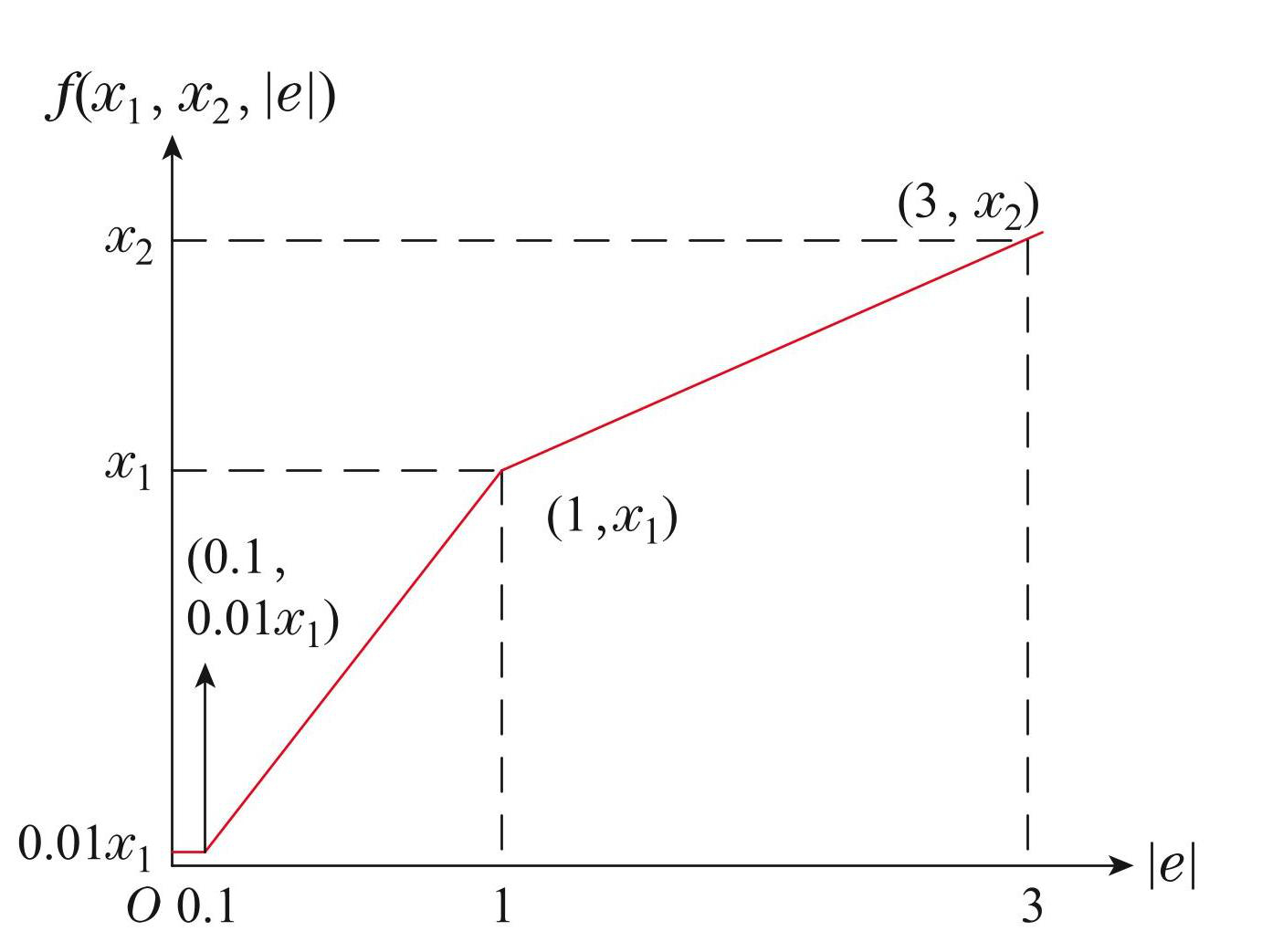
Fig.8Schematic diagram of control gains with respect to tracking error
As shown in Fig.8, if |e| >0.1, the control gains vary with e to increase the controller’s sensitivity to large error. And when |e| ≤ 0.1, the control gains are set to tiny fixed values to improve the stability of thestack temperature within a narrow neighborhood of its reference value.
So far, the variable-gain GSTA (VG-GSTA) control law with five parameters (k1, k2, k3, k4, α) has been obtained. However, the tuning of these five parameters becomes a tricky problem. Unfortunately, feasible parameter tuning guidelines are not given in [34] . Recently, Faramarzi et al. [35] proposed a novel optimization algorithm, named equilibrium optimizer (EO) , which outperforms significantly more than many previous global optimization methods. Accordingly, EO is applied to the parameter tuning of the proposed VG-GSTA.
Remark 2 The time delay of the fan control loop mainly comes from the time delay between the radiator outlet and the stack inlet, so control performance can be ensured as long as it is well handled. As for the time delay from the stack outlet to the radiator inlet, it is not part of the control loop and therefore does not need to be considered. In reality, the temperature at the radiator inlet can be equated to the temperature at the stack outlet, since there is almost no heat loss in between. Furthermore, the sensor delay is almost negligible with respect to the coolant channel delay, and the main delay dynamics in the system originate from the latter. Our control strategy applies to the presence of pure hysteresis in the control loop, and sensor delays are not a consideration.
4 Simulation results
In this section, co-simulation validates our approach, with AMEsim providing the fuel cell system and Simulink implementing the controller. Additionally, the control period is set to 100 ms, taking into account the slow dynamics of the stack temperature.
4.1 Parameter optimization
During the parameter optimization, Ist, d is set to 100 A, and Tst is set to a step signal jumping from 71◦C to 69◦C. Assuming that the fuel cell warm-up time is t0, the cost function is constructed as
(21)
where tf = 200 s is the running termination time of the Simulink program. Integration starts from t0 since the fan does not work during the warm-up phase. In addition, the hyperparameters of EO are listed in Table 4. More details regarding EO are described in [35] .
After twenty iterations, the cost function converges to 30.85. Besides, k1, k2, k3, k4, and α converge to 24.17, 34.05, 3.35, 4.39, and 0.689 respectively. The evolution of the cost function and controller parameters is depicted in Fig.9.
4.2 Control performance evaluation
To evaluate the disturbance resistance of our method, Ist and external wind velocity were set as stepand sinusoidal signals, respectively. The following two experiments were conducted: 1) Experiment 1: Comparison with adaptive super-twisting algorithm (ASTA) [43] and the results are shown in Figs.10–11; 2) Experiment 2: Comparison with incremental fuzzy control [44] and the results are shown in Figs.12–13.
Table4Hyperparameters of the equilibrium optimizer
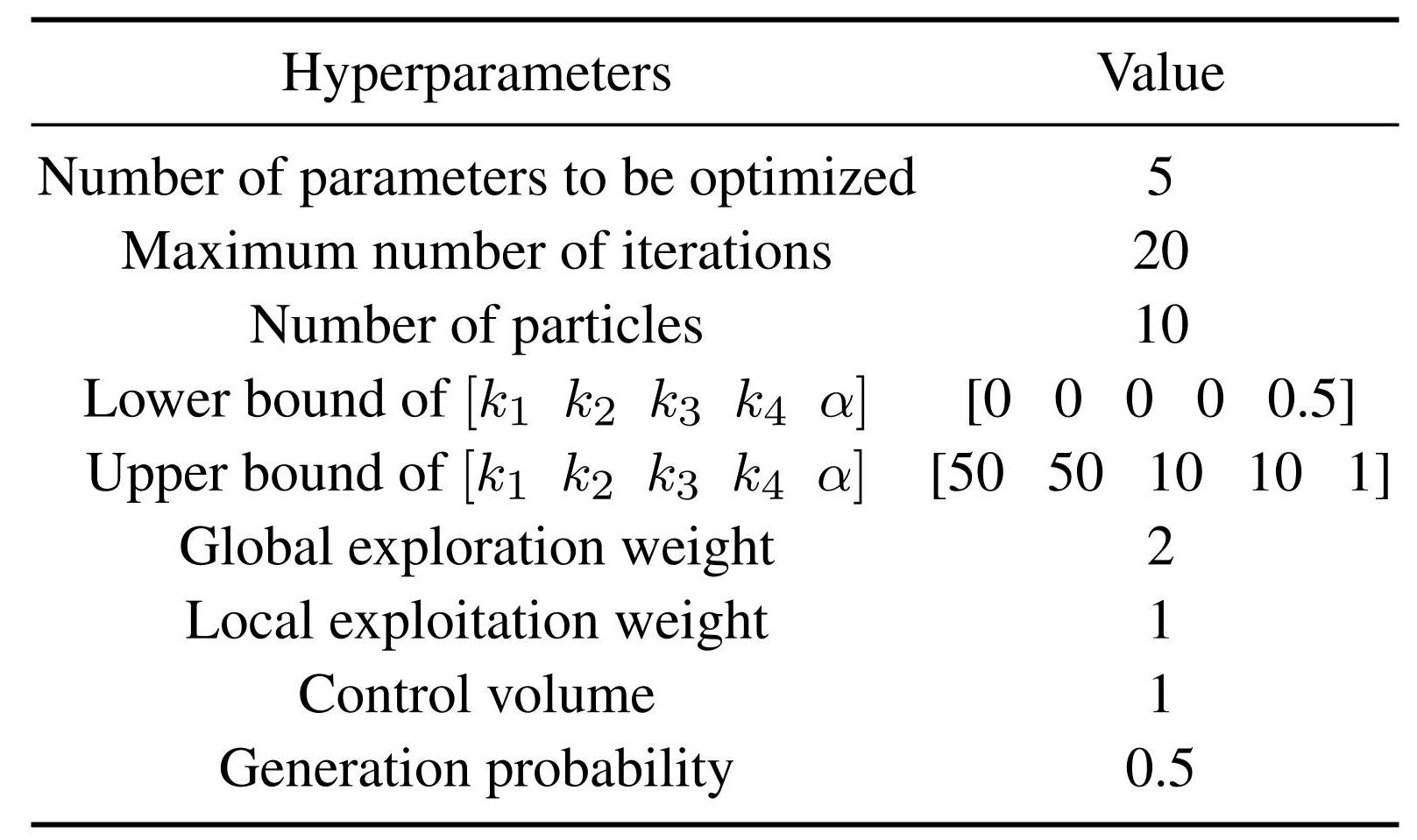

Fig.9Evolution of the cost function and controller parameters
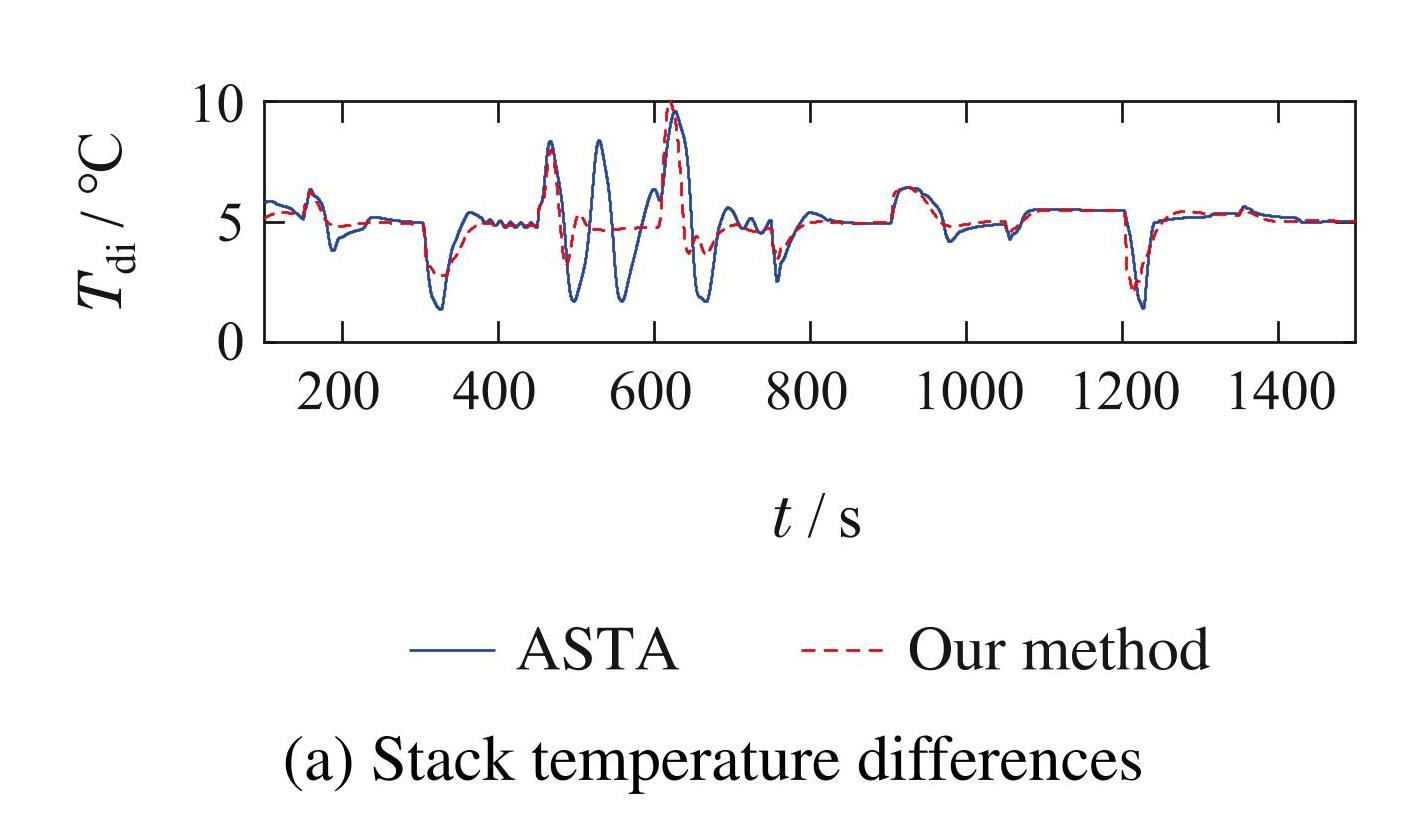
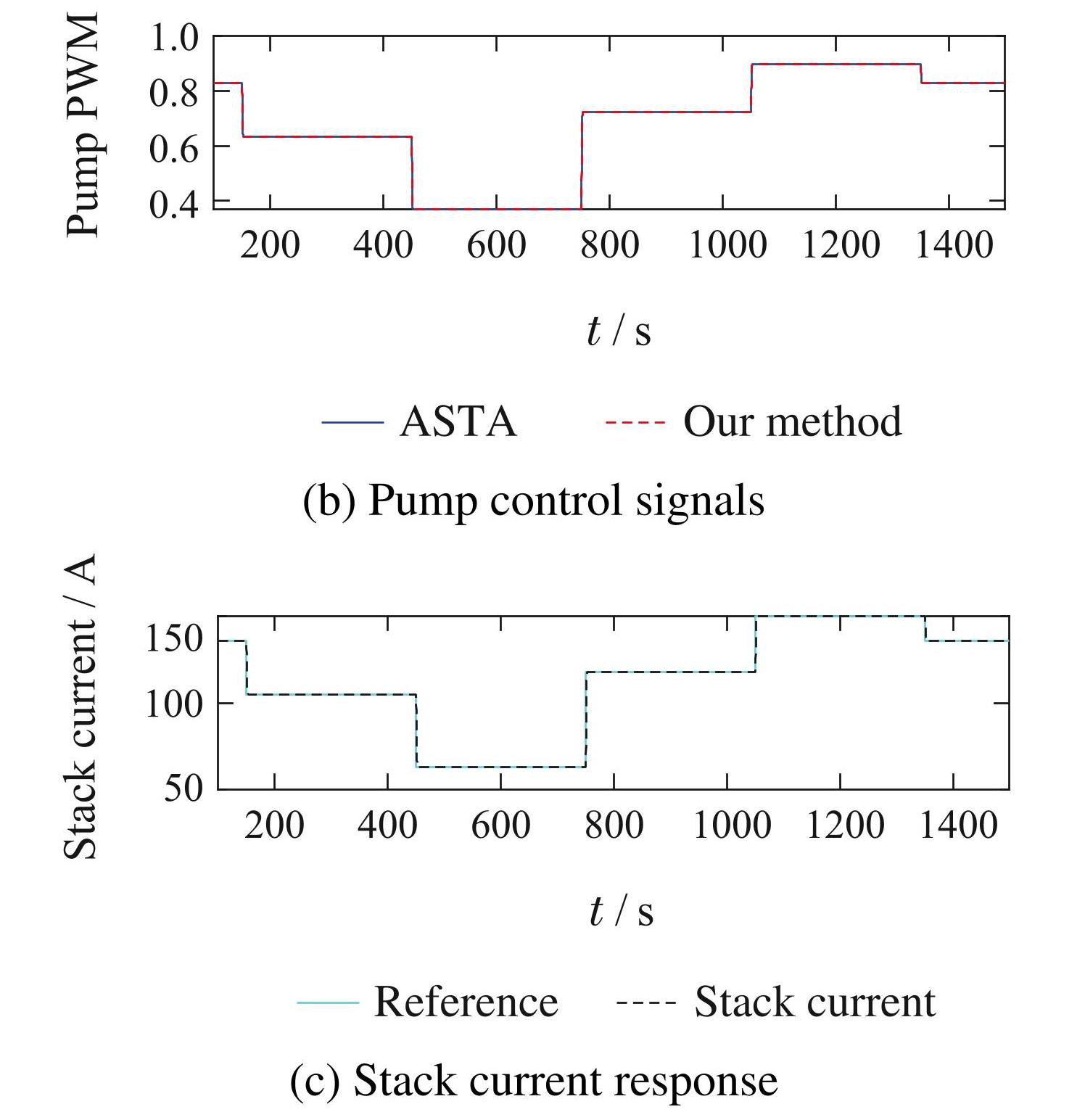
Fig.10Temperature difference response in Experiment 1

Fig.11Stack temperature response in Experiment 1
Remark 3 For proton exchange membrane fuel cells, the suitable operating temperature is 60∼80◦C, so the reference trajectory is limited to 65∼75◦C. Additionally, our strategy applies to steady or step-change load currents, not to currents that change all the time. The control signal for the pump isderived directly from the current, which varies frequently leading to deterioration of the control performance.
Remark 4 In Fig.10 (b) , the pump control signals of regular GSAT and VG-GSTA overlap because the same pump controller is applied. The difference in Tdi in Fig.10 (a) is caused by the otherness in the fan control signal (see Fig.11 (c) ) .

Fig.12Temperature difference response in Experiment 2
From the experimental results, our method can rapidly and accurately regulate Tst and maintain Tdi within a safe range.
1) Tdi was kept around 5◦C (see Fig.10 (a) ) and is not affected by Tst, which is attributed to the fact that up is determined only by Ist.
2) Thanks to the anti-saturation integrator shown in Fig.7, an overshoot of approximately 1.5◦C occurs only at 630 s (see Fig.11 (b) ) , and the remaining overshoots are within 0.5◦C. The overshoot of 1.5◦C is due to the small pump control signal at this time (see Fig.10 (b) ) , so the coolant flow rate is low, resulting in slow temperature transfer.
3) Our method performs well (see Fig.11 (a) ) under varying currents and airflow velocities (see Figs.10 (c) –11 (d) ) , demonstrating excellent resistance to disturbances.
4) In contrast to the ASTA, the proposed VG-GSTA enhances stability within tiny errors (see Fig.11 (b) ) without sacrificing response speed (see Fig.11 (a) ) . Moreover, its stack temperature difference Tdi is also more stable (see Fig.10 (a) ) . It is worth noting that the ASTA appears to oscillate (see Figs.10–11) because of large time delays and strong coupling. However, our VG-GSTA overcomes this because the control gains decrease rapidly at small errors such that the control signals hardly vary anymore.
5) Compared with incremental fuzzy control, our method is less affected by disturbances and less overshooting (see Fig.13 (a) ) , which is due to the introduction of GSTA and the anti-saturation integrator, respectively. Moreover, under incremental fuzzy control, Ist fluctuates frequently (see Fig.13 (a) , 430∼630 s) , which is due to coupling-induced deterioration of performance (see Fig.12 (a) and Fig.13 (a) ) . In addition, our method determines the thermal power based on Ist and thus adjusts uf in advance (see Fig.13 (c) ) . This is also an advantage over error feedback control.

Fig.13Stack temperature response in Experiment 2
To further demonstrate the performance of our method, the RMSE is utilized,
(22)
where N is the number of datasets. Additionally, the maximum overshoot is also recorded, with the results listed in Table 5.
Table5Performance indexes of the control methods
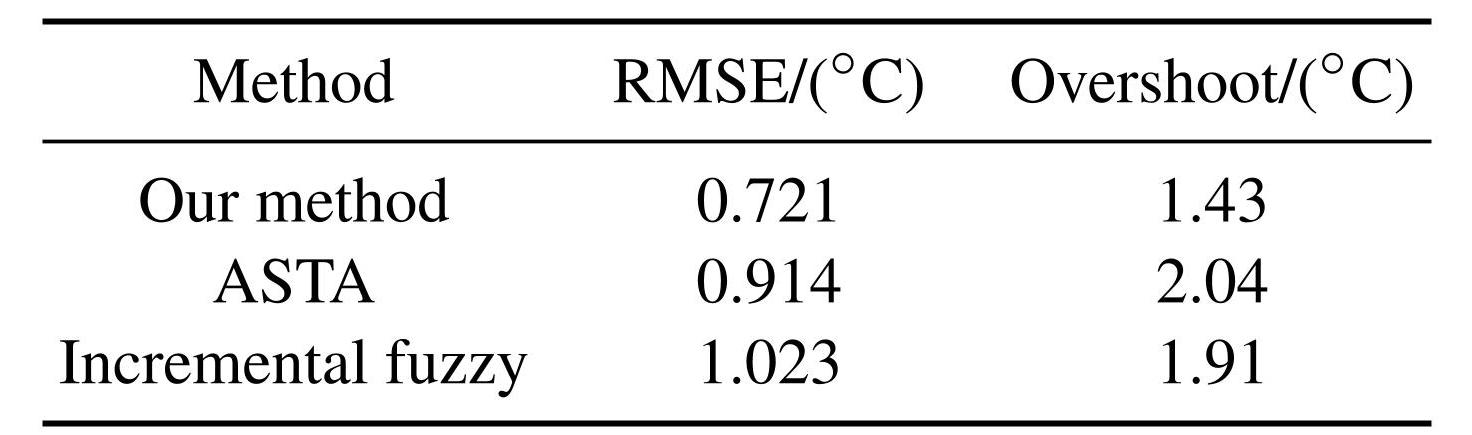
From the performance indicators, the proposed scheme indeed outperforms the other two methods.
5 Conclusion
This article has studied the temperature regulation of LCS, which successfully overcome large time delay, uncertainties, coupling and multiple disturbances. The main findings are as follows: 1) For LCSs with model uncertainty, it is feasible to apply the FLC that includes the stack current, since it is possible to judge the thermal power of the stack through the current information and thereby tune the control signal rapidly (see Fig.6) .2) The proposed VG-GSTA with anti-saturation integrator can well suppress overshoot, oscillation, and disturbance, and significantly enhances the stability within small temperature errors. Its performance is further enhanced by the global optimization capability of EO.3) For the pump, it is more favorable not to use error feedback control, because the pump needs to limit the stack temperature difference within a safe range. The use of error feedback control will cause coolant flow fluctuations (see Fig.12 (b) ) , which will affect fan control and lead to performance deterioration (see Fig.13 (a) ) . Co-simulation validates the effectiveness of our method.
Note that a limitation of this study is the lack of consideration for the actuators’ power, whose impact on fuel cell efficiency will be investigated in future research.